
This is the first of two articles on self build mortgages. Part 2 covers budgeting, planning permission, applying, and what happens once your build is finished.
For many, the idea of creating a dream home is hugely appealing, whether that means a beachfront plot, an urban site, or anywhere in between. It is also one of the most rewarding things you can do with a property. Rather than compromising on someone else’s decisions, you get to make every one yourself.
It can also feel daunting, particularly on the finance side. Self build lending has a reputation for being difficult to navigate, with different rules, more paperwork and fewer lenders. That reputation is only half deserved. It is a specialist corner of the market, but with the right adviser alongside you, it is a well understood process, rather than the maze it can feel like from the outside.
That is really the point of this two part guide: to take the uncertainty out of financing your self build, so you can focus on the part that is actually exciting.
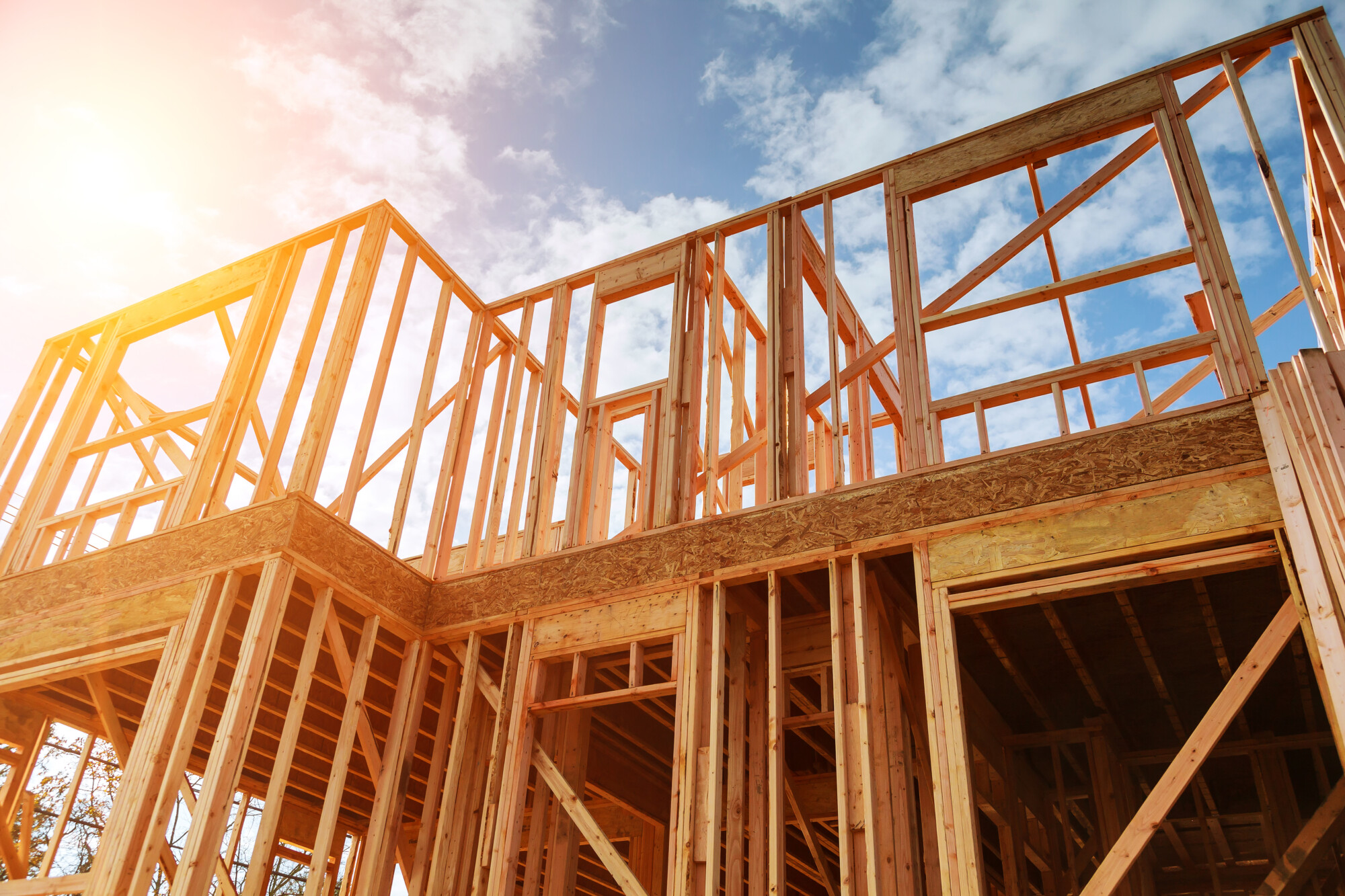
Why so few brokers do this well
Self build finance is not something most mortgage brokers deal with often. It sits outside the standard high street process, involves a smaller pool of self build mortgage lenders and requires an adviser who understands construction stages, drawdown structures and valuation methodology, not just mortgage arithmetic. As a result, relatively few firms handle self build regularly enough to be truly expert in it.
This is exactly the kind of specialist lending we work with regularly. As a specialist self build mortgage broker, we support projects ranging from straightforward single plots to large, architect designed homes for high net worth clients with multiple income sources and assets.
Whatever stage your project is at, our advisers will be with you throughout. This is not just about arranging the mortgage, but making sure the whole structure, right through to the remortgage after completion, is planned properly from day one.
Understanding self build mortgages
Traditional mortgages work well for buying a home that already exists. They will not, however, meet your needs if you are planning to build your own home from the ground up.
A self build mortgage UK borrowers use for this type of project is a specific product designed around the step by step process of building a home from the ground up, or carrying out a significant refurbishment or extension that a standard mortgage will not cover.
Self build vs. custom build vs. new build: what is the difference?
These terms get used interchangeably, but they describe genuinely different projects, and it is worth being clear on which applies to you before you start looking at finance.
Self build
You directly organise the design and construction of your own home. You might design and project manage it yourself, or appoint an architect, builder and tradespeople to deliver it on your behalf. It can also cover large extensions or renovations that go beyond what a standard mortgage will fund.
Custom build
A builder or developer owns the land and holds approved plans for a small number of homes. You collaborate with them on the finish and interior layout, but have limited say over the overall size and design.
New build
You buy a finished home from a developer, with no involvement in its design or construction. This would usually be financed with a standard residential mortgage.
If you are organising the build yourself, even with a full professional team around you, you are almost certainly looking at self build finance.
How do self build mortgages work?
A self build mortgage is a specific type of mortgage that provides self build finance for the building works associated with constructing a property.
Unlike a standard mortgage, which pays out the full amount in one go, a self build mortgage releases funds in stages, known as drawdowns. This means you receive money in smaller amounts as your project progresses rather than receiving everything at once.
These drawdowns usually line up with key construction milestones, such as finishing the foundations, reaching wall plate height, getting the roof on and making the building watertight.
This ensures funds arrive at the right point in the project rather than sitting in an account from day one. It can reduce interest costs during the build and guard against overspending early in the project.
Want to understand the whole process?
Our Complete Guide to Self Build Mortgages takes you through the process of financing your project, from purchasing your plot and arranging staged funding through to completing your build.
The two types of self build mortgage
There are two main ways self build mortgage funds can be released: in arrears or in advance.
Arrears loans
The most common type. Payments are made at each stage once the building work for that stage is complete.
Advance loans
Work the other way around. Payments are made at the beginning of each stage, which reduces the need for short term borrowing, such as a bridging loan, to cover costs while you wait to be reimbursed.
Which is right for you?
Neither is automatically the better option. It depends on your reserves, your relationship with your builder or contractor, and how you would rather manage cash flow throughout the build. Your wider self build mortgage criteria, including affordability and the project itself, will also influence which lenders and products may be suitable. This is exactly the kind of decision worth talking through with an adviser before you commit to a lender.
Ready to discuss your self build plans?
Our specialist advisers can look at your plans, available funds and wider circumstances to help you understand how your self build finance could be structured.
Tell us a little about your project and one of our advisers will be in touch.
Self build vs. traditional mortgages
How funds are released
A traditional mortgage generally provides one lump sum on completion, whereas a self build mortgage releases funding in stages as construction progresses.
How interest is charged
With a traditional mortgage, interest is charged on the full loan from day one. With self build lending, interest is typically only charged on the funds that have been drawn down so far.
What each is designed for
Traditional mortgages are designed for homes that already exist. Self build mortgages are specifically suited to projects involving the construction of a new property from the ground up.
How valuations work
A traditional mortgage is based on the value of the existing property, whereas a self build mortgage considers the projected or completed value, with valuations taking place at different stages of the project.
What happens after completion
Once a standard residential mortgage is in place, you simply continue making your repayments. With a self build mortgage, the next step is usually to remortgage onto a standard residential product once construction is complete.
In practice, the staged structure can mean real interest savings over the course of a project, alongside the flexibility to fund the build as it actually happens rather than committing the full amount upfront.
Why self build mortgage rates are higher, and why that is not the whole story
Self build mortgage interest rates tend to be slightly higher than rates on standard residential lending.
There are, however, real benefits once the building work is complete. The value of your self built home may be significantly higher than the cost of building it, which is exactly the point at which a remortgage onto a standard rate becomes worth planning for.
There are also savings to be made on stamp duty, something we cover in detail in Part 2, along with your full budget, the paperwork you will need and what happens once the build is finished.
Planning your self build? Start here.
Practical resources to help you understand your mortgage options, prepare your budget and get the right documents in place.
The Complete Guide to Self Build Mortgages
Understand how self build finance works, from purchasing your plot and arranging staged funding through to completing your build.
Your Self Build Budget & Documents Checklist
Get organised before you apply with a practical checklist covering the key financial information and documents you are likely to need.
Frequently asked questions
What is a self build project?
A self build project is one where you directly organise the design and construction of your own home, whether by managing it yourself or appointing an architect, builder and tradespeople to deliver it on your behalf. It can also cover larger extensions or renovation projects that a standard mortgage will not finance.
What is the difference between self build and custom build?
With a custom build project, a developer owns the land and holds approved plans for a small number of homes. You collaborate on the finish and layout but have limited say over the overall size and design.
A self build gives you control over the whole project, from design through to completion.
What is the difference between an arrears and an advance self build mortgage?
An arrears mortgage releases funds once a stage of work is complete. An advance mortgage releases funds before the stage begins, easing cash flow but often at a slightly higher rate.
Why is a self build mortgage different from a standard residential mortgage?
Rather than providing a single lump sum, self build lending follows a stage by stage approach. You borrow what you need as you need it, from purchasing the land through to paying contractors as the build progresses. For some projects, this may mean arranging a mortgage to buy land and build a house as part of the overall finance structure.
Once the build is complete, you will typically switch onto a standard residential mortgage.
Part 2: Planning, Budgeting and Applying for Your Self Build Mortgage
Part 2 covers budgeting your project properly, planning permission, what lenders look for, the application paperwork and what happens once your build is finished, including more detail on how to get a self build mortgage.
Planning your own self build?
Our advisers are happy to talk through your project at any stage.
Get in touch to speak with one of our advisers.
Your home may be repossessed if you do not keep up repayments on your mortgage.
This guide is general information, not advice. For guidance on your specific circumstances, please speak with an LDN Finance adviser or seek independent financial and legal advice. LDN Finance Limited is authorised and regulated by the Financial Conduct Authority.